Sip Safe
Drink Safety App For Young Adults
PROJECT OVERVIEW
Social drinking is a major aspect of the college experience among young adults; the potential dangers of alcohol consumption is a blind spot for many adolescents. Alcohol safety is heavily neglected among college students struggling to understand the responsibility to engage in these activities.
Binge Drinking
A pattern of drinking alcohol that blood alcohol concentration to 0.08%. For the average adult, this pattern corresponds to consuming 5 or more drinks(male), or four or more drinks(female) in less than 2 hours. Over 50% of college students participate in binge drinking; engaging in binge drinking can result in a myriad of life-changing consequences.
According to the World Health Organization & NIAA (2021), every year approximately ___ are caused by alcohol consumption:
559,000 injuries
696,000 assaults
210,000 hospitalizations
178,000 alcohol related deaths
Young adults struggle to identify safety precautions and risk situations in settings encouraging alcohol consumption. A research gap in lack of agency in preventing alcohol related harms including drink spiking and alcohol poisoning.
The Problem Space

We aim to understand how young adults perceive risk associated social drinking, and how these perceptions influence social behavior to develop a relevant solution addressing issues of alcohol safety among college students.
Goal
Timeline:
3 months
Role:
UX Designer and User Researcher
Team:
Project team including 4 User Researchers,
2 Designers, and UX Design Consultant
Skills & Tools:
Figma, Figjam, User Research, Visual Design
1
User Interviews
Conducted 12 semi-structured interviews with our primary study group
2
Ethnographic Study
Our qualitative research method for engaging & observing user experiences in social drinking settings
3
Co-Design
Our user-centered design method where users collaborate with designers in the design process by generating, identifying, and critiquing design ideas
What Did We Find?
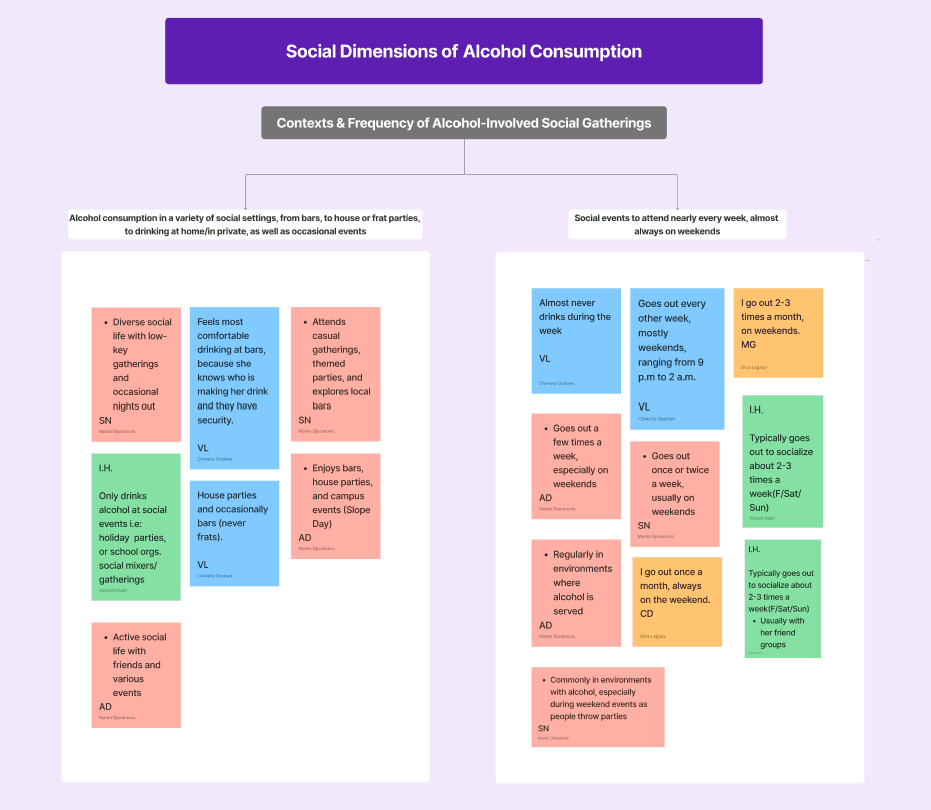
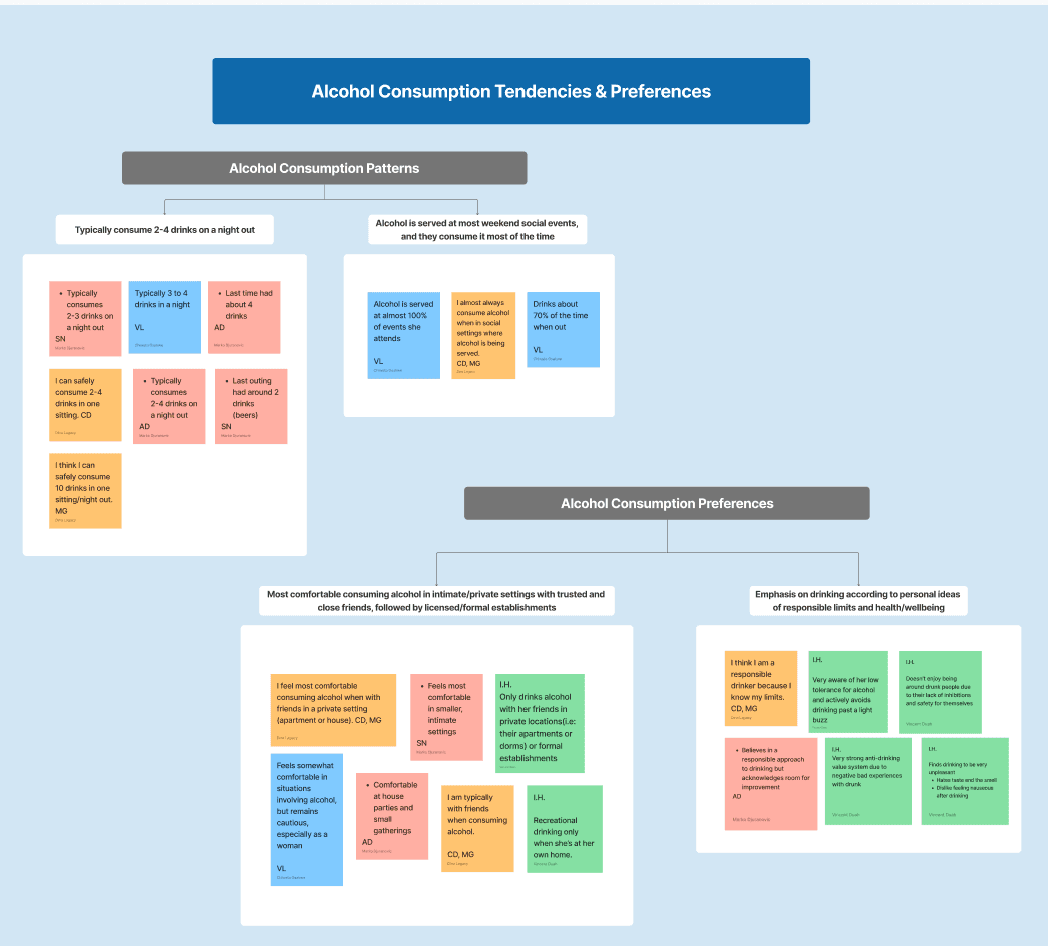
Participating in social drinking have at least 2-4 drinks with preference for intimate small gatherings than large public settings
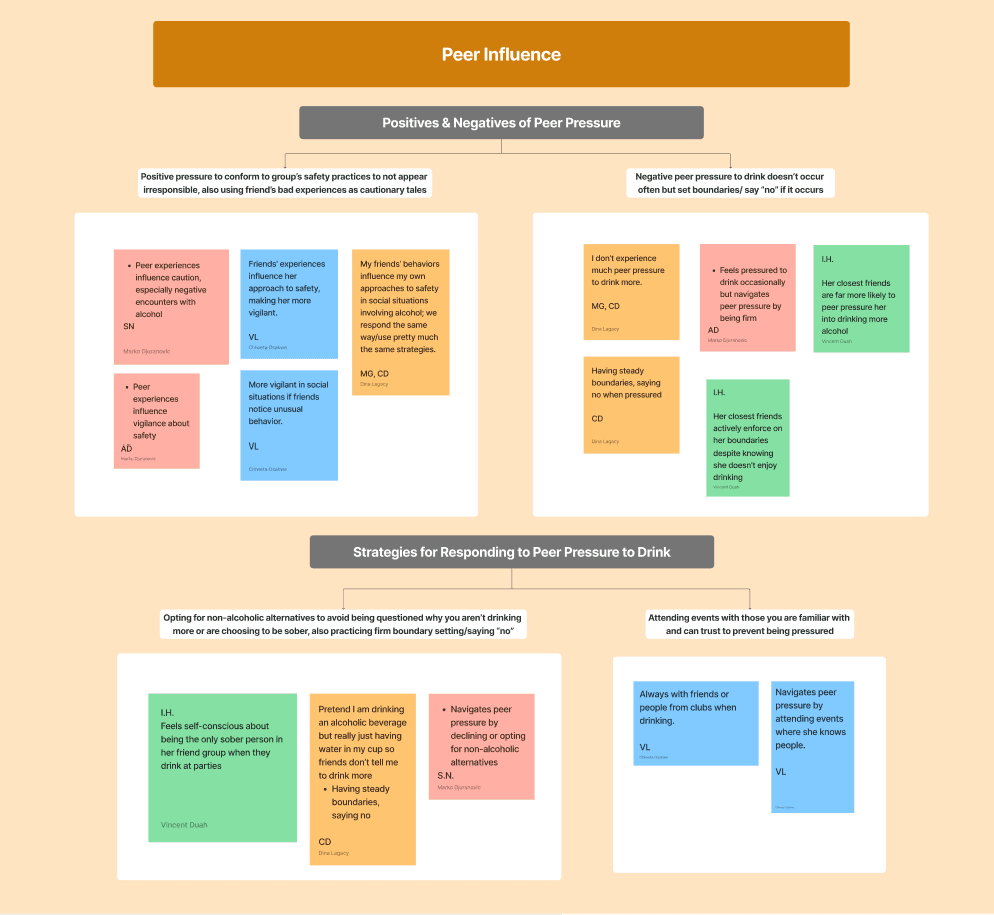
Reported positive and negative peer pressure influences especially in popular settings
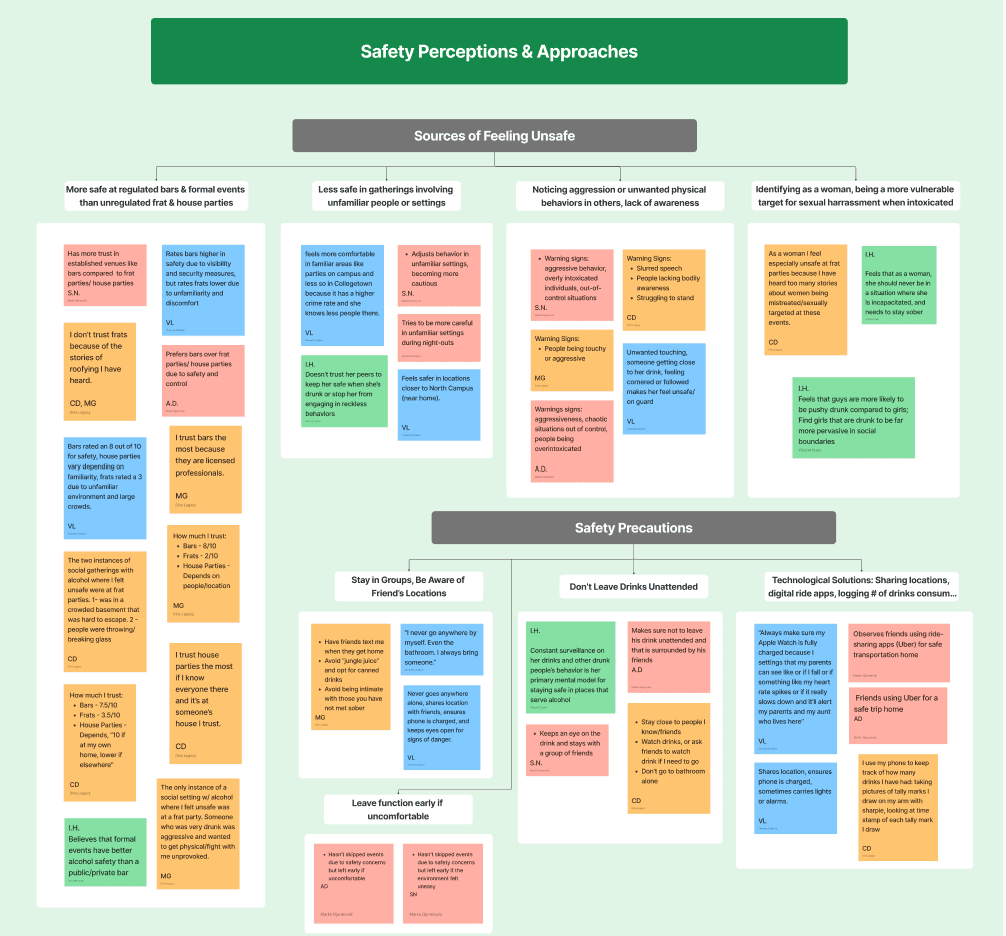
Identified both tech & non-tech safety strategies for safe experiences in public
User Interviews
Previous research on alcohol consumption among young adults focused on the negative effects and harms of social drinking. Our research group wanted to understand the "why" behind our user's decisions and ideal mental model for a safer experience:
Main Topics
1. What are major risks participants associated with drinking?
2. What factors are affecting participants' behavior before/after engaging in social drinking?
3. What strategies do participants' use to prevent alcohol-related risks?
We initially conducted 12 semi-structured interviews with our main stakeholders: undergraduate and graduate students at Cornell University who engage in social drinking. We wanted to engage with participants about their past experiences and perceived risks with social drinking.
We started out by conducting contextual interviews to gain a baseline understanding of college students perspectives on social drinking, and affinity mapped our data to draw insights.
User Research
To conduct our user research, we relied on multiple user centered design methodologies to understand how young adults perceive risk associated with social drinking, and how these perceptions influence their social behavior:
Ethnographic Study
This method aligned with our project goals because it allowed us to observe and understand the dynamics of social drinking and safety concerns within their natural setting. As such, our ethnographic study generated two main types of data about our user group:
Observational Field Notes
Handwritten/typed detailed field notes were taken including descriptions of the setting, activities, conversations, non-verbal cues, and researchers' reflections.
Each team member recorded notes on both the drinking habits and social behavior.
Short Contextual Interviews
Our research group was split into 2 pairs (one interviewer and one notetaker in each pair) to approach our participants
We approached potential participants, briefly explained the study, and asked for their consent for the study. We took careful note to only interview participants who were not inebriated.
What Did We Learn?

On average, 3-5 drinks consumed on a night out (higher than self-reports)
Felt secure with friends, anxious in unfamiliar or mostly male groups
Safety perceptions influenced by environment, alcohol, and others
Wide adoption of PBS strategies (staying in groups, moderating intake, Uber/ carpool)
Used technology for safety (sharing locations, texting friends)
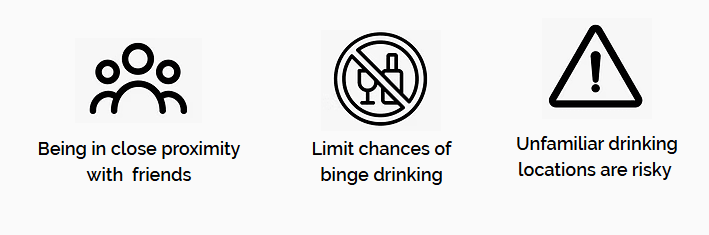
According to participants, proximity = safety (to friends & to drinks)








40+
10
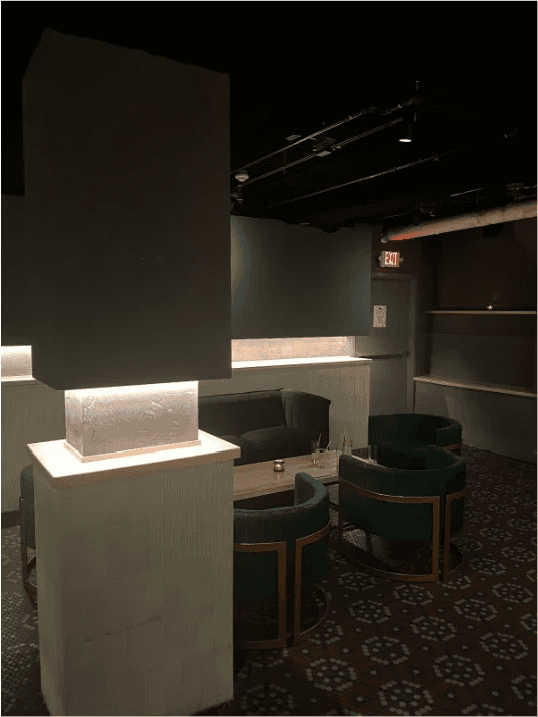
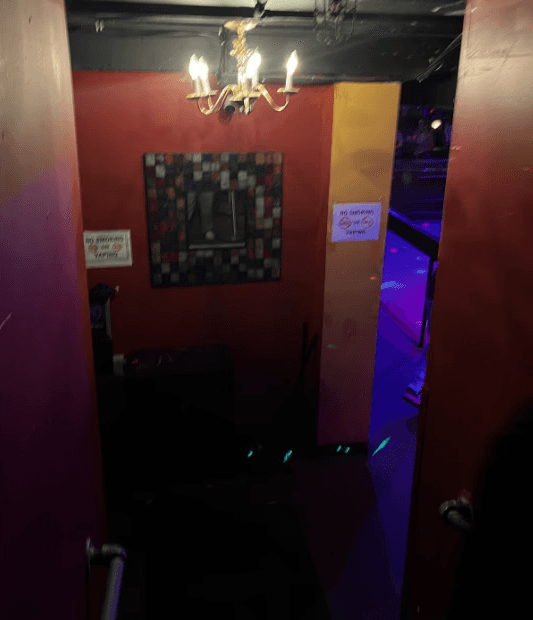
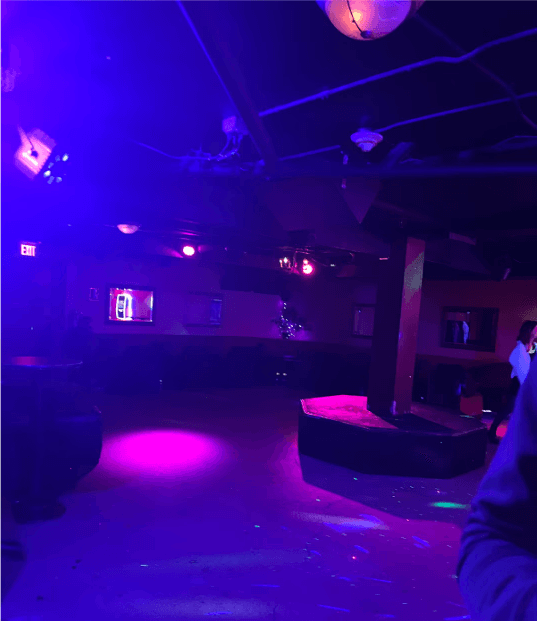
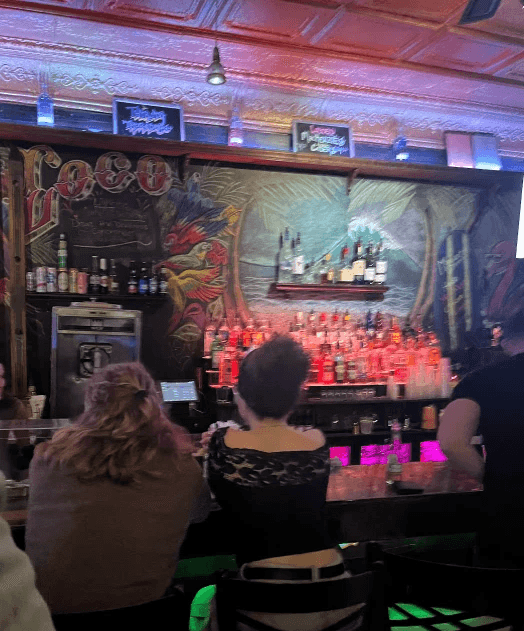
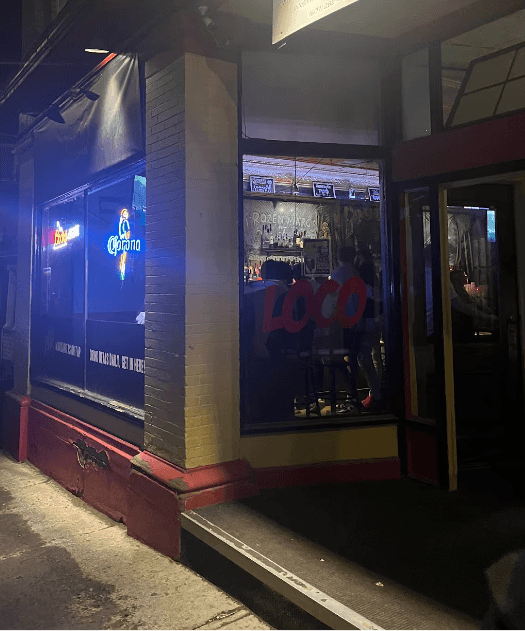
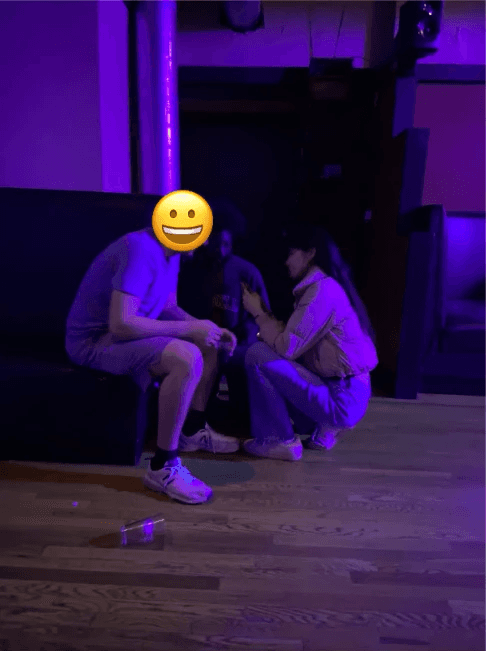
Observed people in our site locations
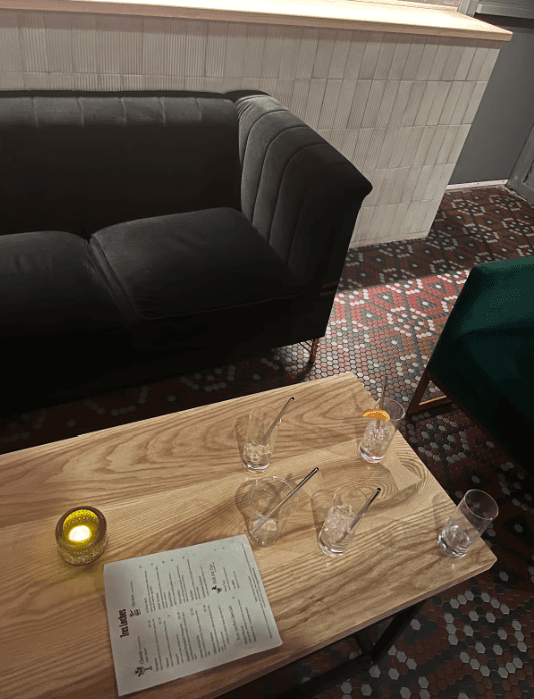
Diverse participants for on-site interviews
A
B
C
Contextual Observations
Short Interviews
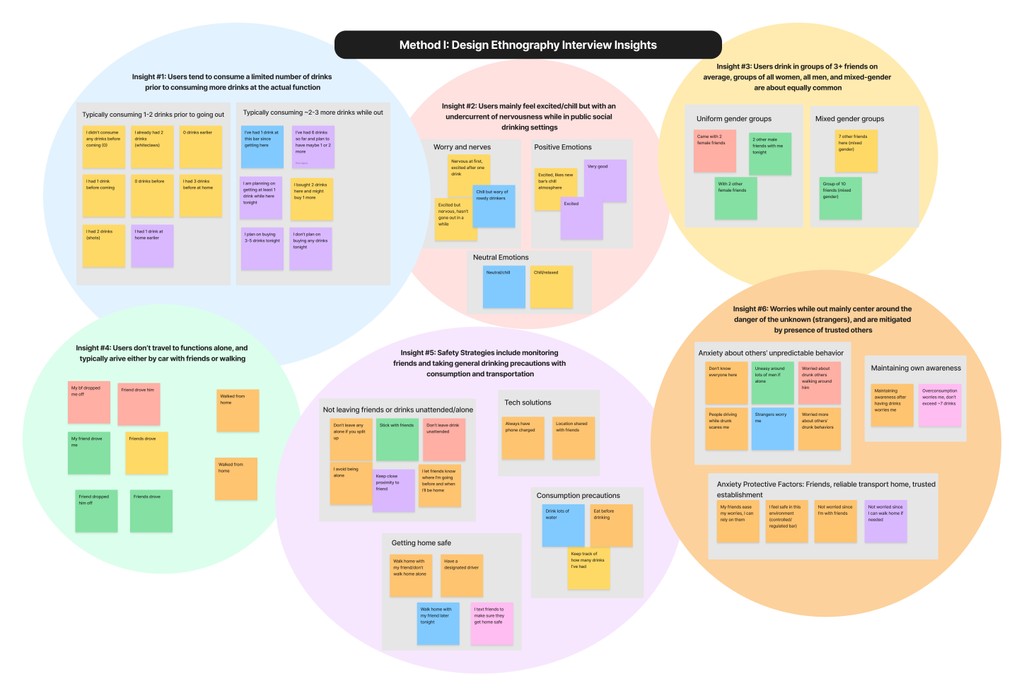
Our Major Takeaway: Experienced young adults develop protective behavioral strategies to avoid harms and protect their peers from bad actors
Our user group actively uses technology as solutions for protective behavioral strategies through four major methods:
An affinity map to find common trends between observed social groups
Protective Behavioral Strategies
Individual harm reduction approaches which aim to reduce alcohol-related consequences. Primarily identified as proactive self-control, drinking control, and alcohol reduction strategies.
According to the National Institutes of Health (2014), most PBS approaches can be classified in two categories:
Alcohol Intake
Bodily Safety
Setting Drink Limits
Alternating non-alcoholic beverages & alcoholic beverages
Avoid drinking in short durations
Designated drivers
Using public transportation
Avoid drinking unknown substances
Drinking with a sober companion
Using Ride Share Apps
Participants always cited Uber & Lyft as safe transportation rather than driving
Texting Friends
Emphasized the importance of giving updates to their friends on their plans
Live Chatting
Some participants recalled doing video calls or FaceTime's to check in with their peers
Sharing Locations
Female participants noted sharing their GPS location with their roommates when going out drinking or partying

All positive experiences revolved around friends and community in familiar settings
Most negative experiences were in off-campus bars or frat parties
Uncovered more insights regarding implicit biases for identifying danger signals
(i.e drinking with women versus drinking with men affecting social behavior)
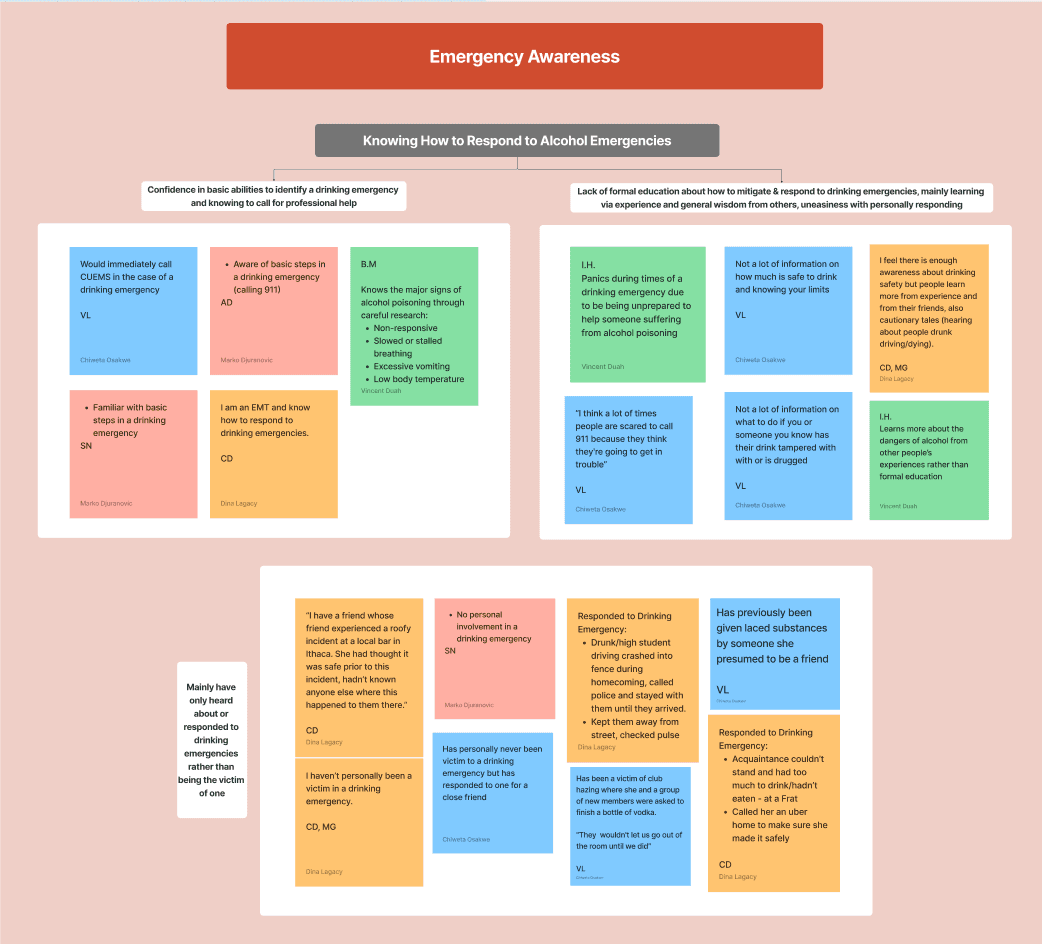
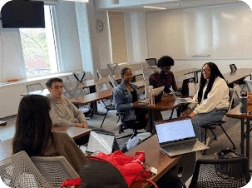
Our participants engaged in facilitated discussion to share positive & negative experiences with social drinking
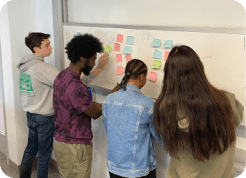


How Might We centered on lived-in experiences with PBS while social drinking:
"HMW stay in close contact with friends?"
"HMW get immediate help when finding a missing person?" etc.
Implemented brainstorming methods such as Crazy 8s to encourage outside-of-the box design thinking for unique solutions
Evaluated our proposed solutions through group critique to find the perfect niche for the design solution

Using the How Might We framework, participants brainstormed solutions based on their experiences and the identified factors

Both tech and non-tech solutions were presented suggesting a need for solutions in both spaces
Further iterations on our design sketches worked within current technical limitations and constraints for a holistic solution
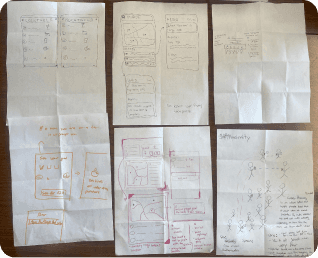
We conducted group critique to discuss our sketches from our brainstorming and highlighting key features and feasibility
Our co-design session focused on our target audience in developing solutions for improving safety in social drinking environments. As such, our user group was Cornell University students (between the ages of 21-23 yrs old).
These sessions complemented our initial ethnographic study, where our field observations provided valuable insights into existing behaviors and translate those observations into user-centered design concepts.
Co-Design
A mindfulness drinking app aimed to provide ways for users to stay safe and informed while out socially drinking both on and off campus.
What Is Sip Safe?
Our solution space offers an opportunity to intervene with a mobile app for interactive maps, group coordination, and emergency assistance to enable responsible drinking experiences.
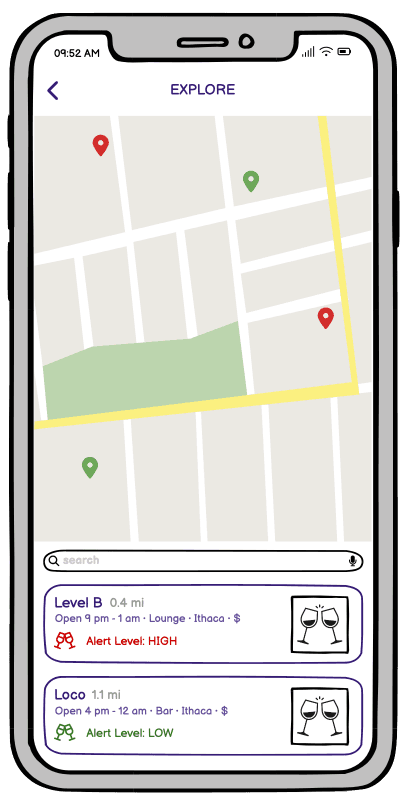
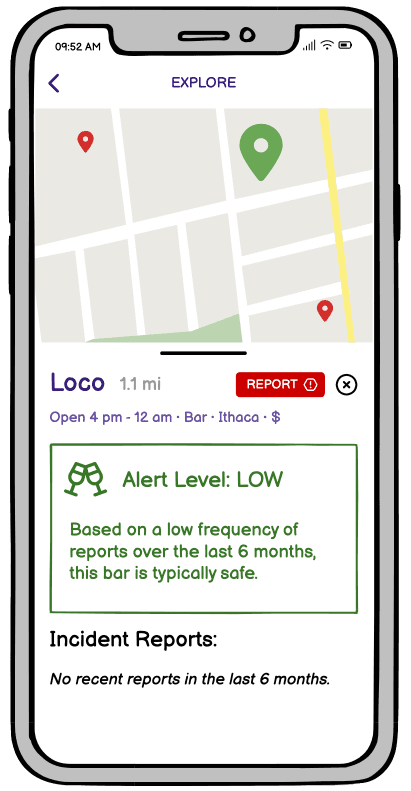
#1: Incident Report Map
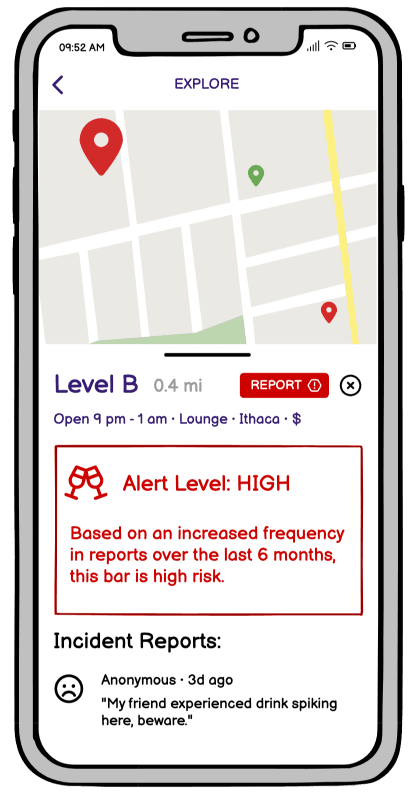
A map for drinking locations in your area. Discover new hangouts for your happy hour without the red flags. View recent safety incidents & risk levels at specific locations before hitting the streets!
Users can plan their drinking outings & avoid locations with high reports of risks such as drink spiking, sexual harassment, and other safety concerns. These reports would be anonymously gathered by users
Finding Locations For A Fun Night Out
We designed a campus map for the Cornell University student body for both campus and off-campus locations. Key locations such as fraternities, sororities, bars, and restaurants are pinned for easy viewing.
Highlighted locations have alert status for past harmful incidents.
Location Alerts
We designed location alerts as a quick heads-up for would-be patrons. Each location has a red or green alert status help users make informed choices on where to go for TGIF!
High danger alerts have red icons with additional information on reported incidents. Incident reports are tallied from both professional reports and fellow SipSafe users.
Make An Alert: Warn the Community
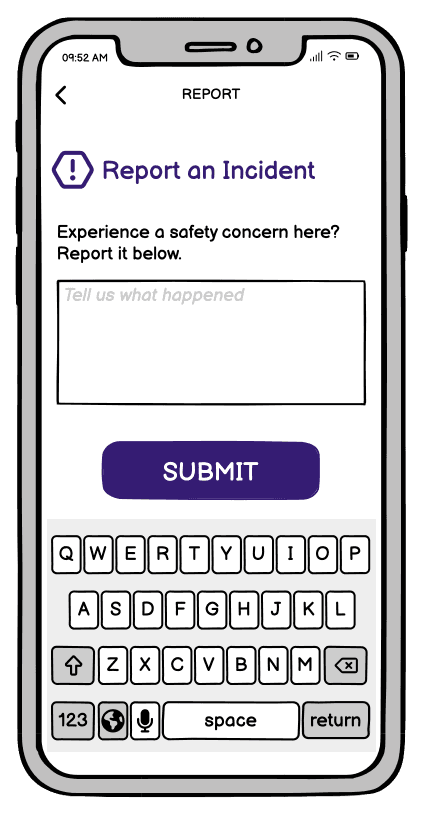
SIpSafe users can make anonymous incident reports on visited locations during the night out.
Whether it's due to rowdy crowds or serious mishandling with drinks, users can make a difference in keeping their community safe.
Night Out Finder
Incident Report Map
#2: App Tracking With Your Friends
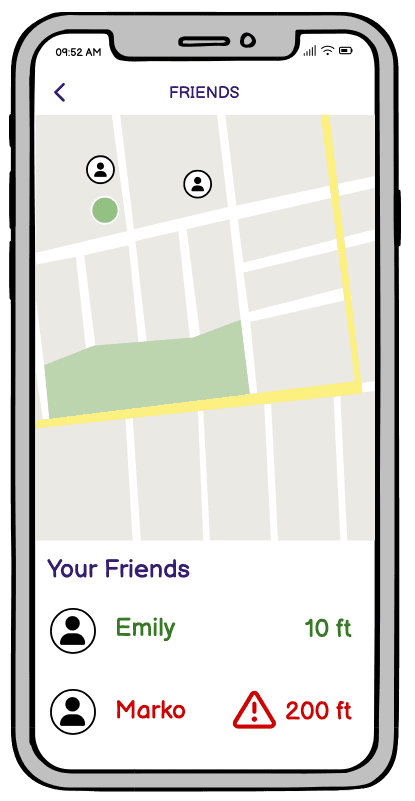
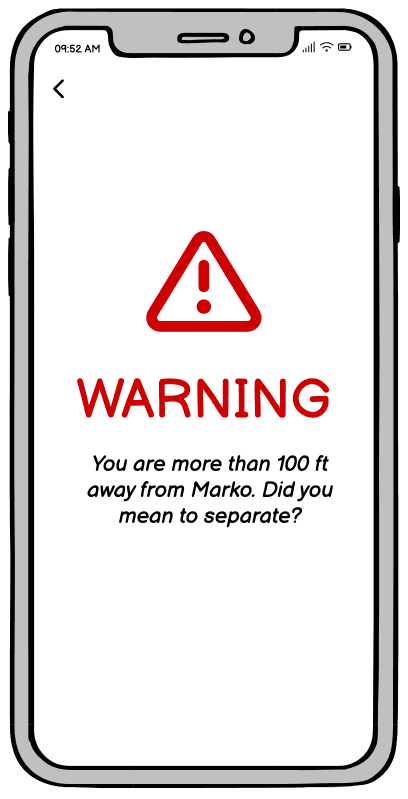
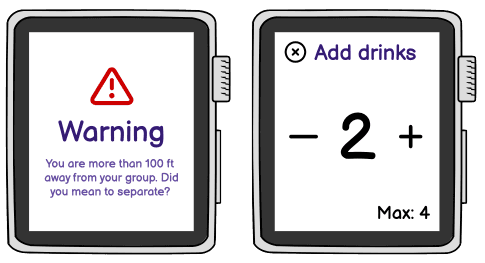
The Proximity Alert feature utilizes location tracking to keep users informed about the whereabouts of their friends in real time! Provides feedback based on proximity through camera flashes, vibrations, & text alerts
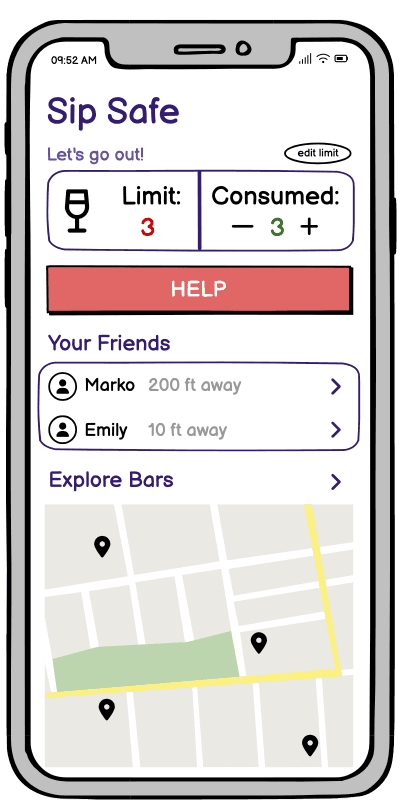
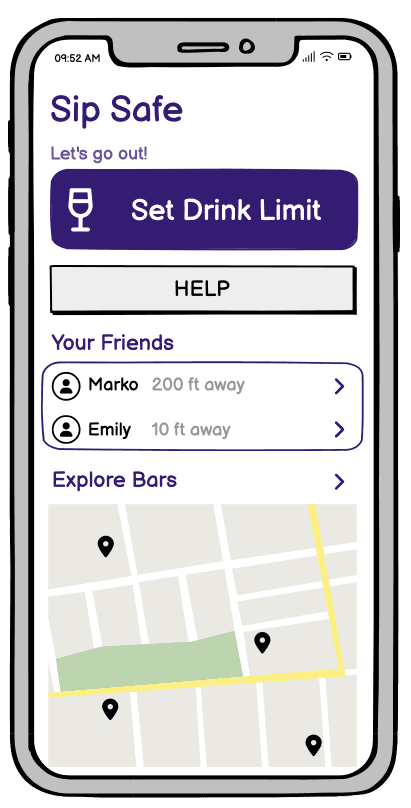
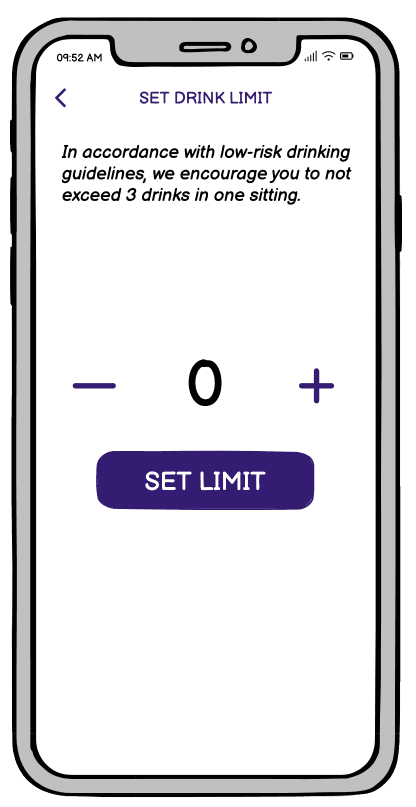
Set Your Limit
Want to make sure the drinks don't bring down the mood?
Users can place drink limits during their night out to avoid major party fouls. Users can set up their drink limits to keep tabs.
Keep Tabs on Your Night Out
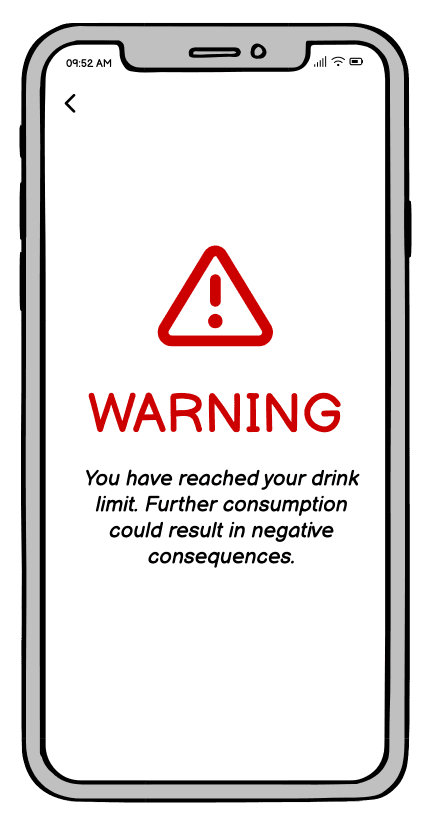
We designed a drink tracker to allow users to see their drink limit at a glance.
This implementation requires similar data collection as Apple Health with careful attention to medical compliance & data privacy.
#3: Setting Drink Limits
To prevent overdrinking, users can set a limit for drinks for their session ahead of time. This feature allows users to plan their consumption while discouraging drinking beyond their limits while they are inebriated.
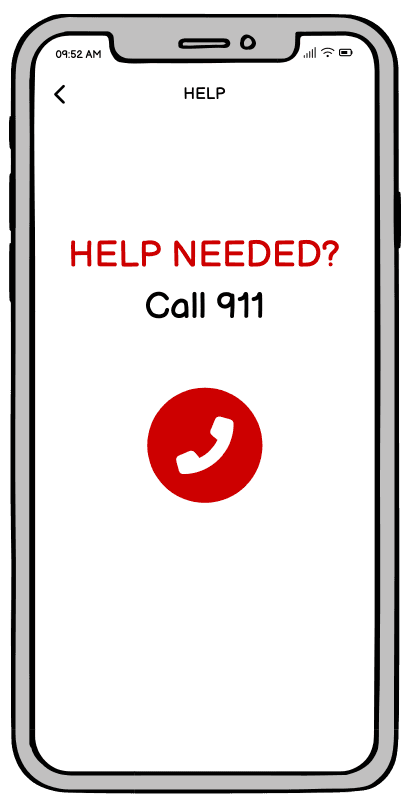
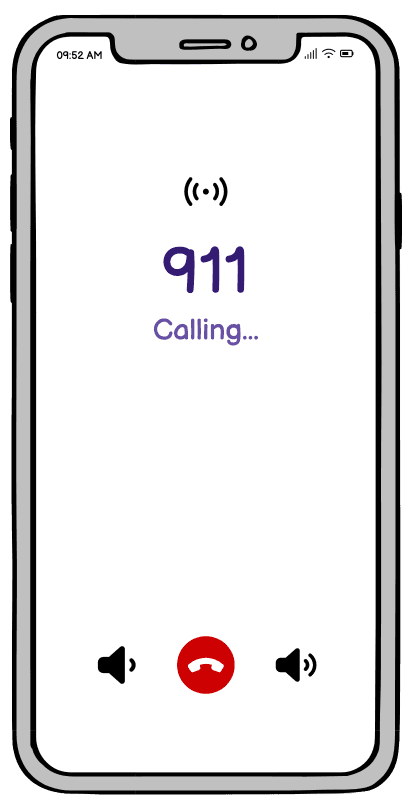
#4: Emergency Contact
A streamlined process to quickly reach out to emergency services, specifically 911, in times of need.
Users can swiftly seek assistance in emergencies without the need for additional steps.